

? Are you trying to decide whether the 3-Pack Wi-Fi Smoke Detector Carbon Monoxide Detector Combo with App Notifications, Test/Silence Button, Smart Smoke Detector & CO Alarm for Any Home, Real-Time Alert is the right safety upgrade for your home?
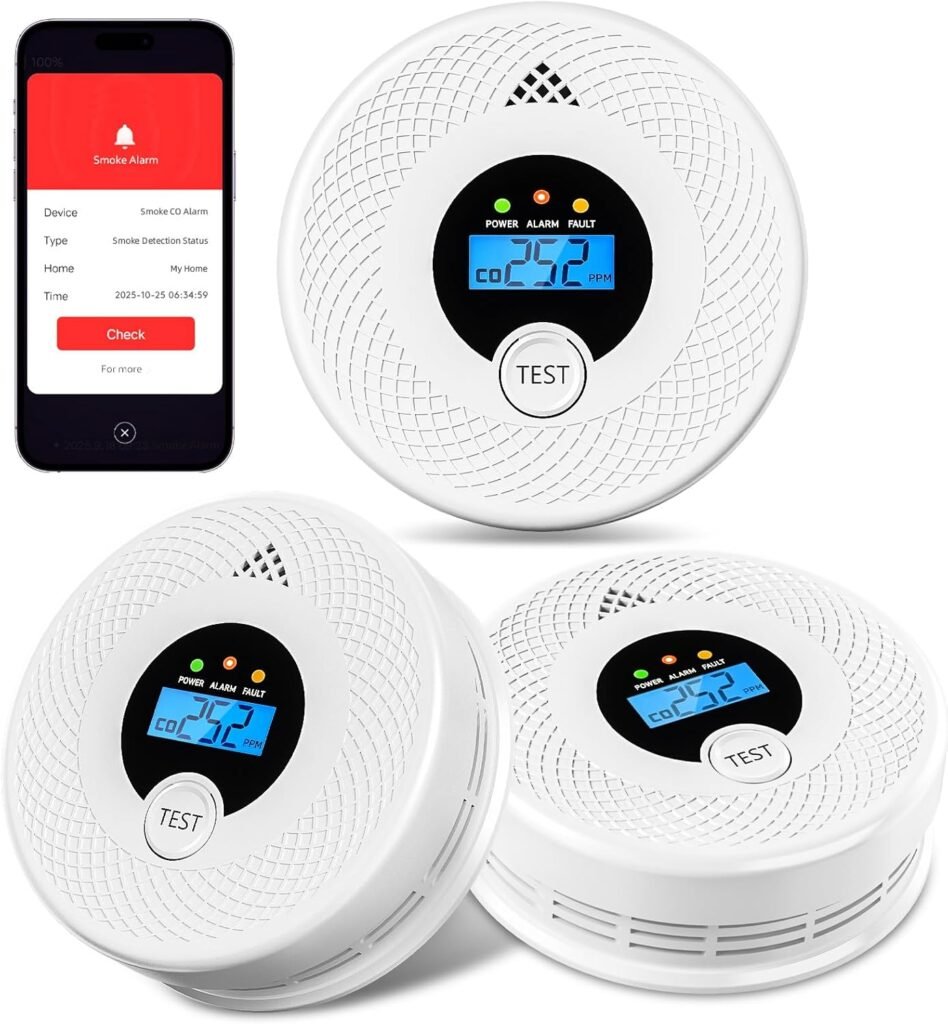

Product Overview
You get a three-pack of combo alarms that pair smoke detection and carbon monoxide sensing with Wi-Fi notifications through the Smart Life app. These units combine photoelectric smoke sensing and electrochemical CO sensing so you can monitor both threats from each device and receive real-time alerts on your phone.

3-Pack Wi-Fi Smoke Detector Carbon Monoxide Detector Combo with App Notifications, Test/Silence Button, Smart Smoke Detector & CO Alarm for Any Home, Real-Time Alert
Key Features
This section breaks down the features that matter most when you’re choosing a smart smoke and CO combo. Each part of the feature list impacts how you’ll use, monitor, and maintain the alarms in daily life.
WiFi Notifications
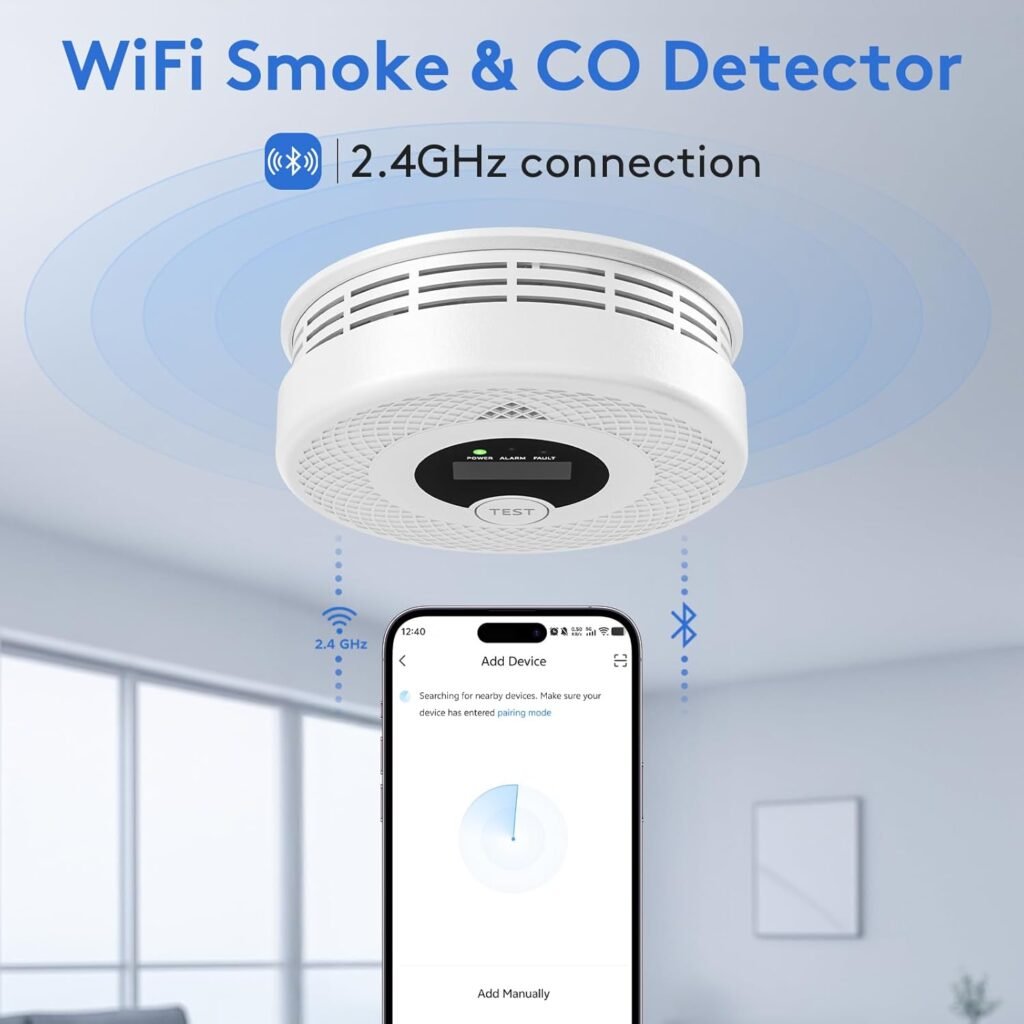
When a unit detects smoke or carbon monoxide, it sends an alert through the Smart Life app using a 2.4GHz Wi-Fi connection. That lets you get off-site notifications so you know about an alarm even if you aren’t at home.
2-in-1 Detector
The combo uses a photoelectric sensor for smoke and an electrochemical sensor for CO, giving you detection for both common danger types. That dual approach means you don’t need separate devices for smoke and carbon monoxide in every room you want covered.
Long-lasting Power
Each alarm is designed with a 5–10 year battery life and an automated low-battery warning to prompt replacement or maintenance. With long-life power and an 85 dB alarm, these units aim to be both reliable and audible throughout your home.
Audible and Visual Alerts
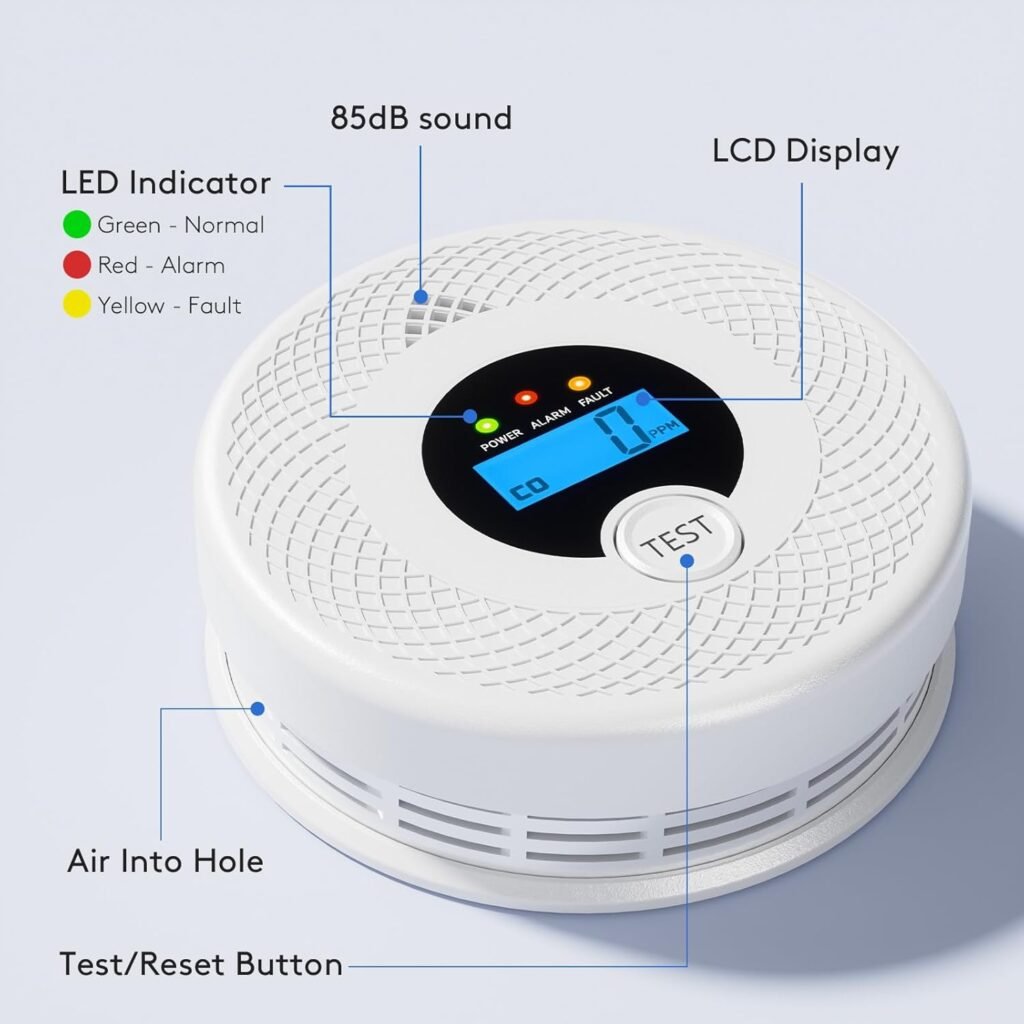
You’ll see three light indicators and a high-definition display, and you’ll hear the high-decibel alarm when an event occurs. Visual indicators plus loud sound help ensure you—and any household members—receive clear, unmistakable alerts.
Smart Operation
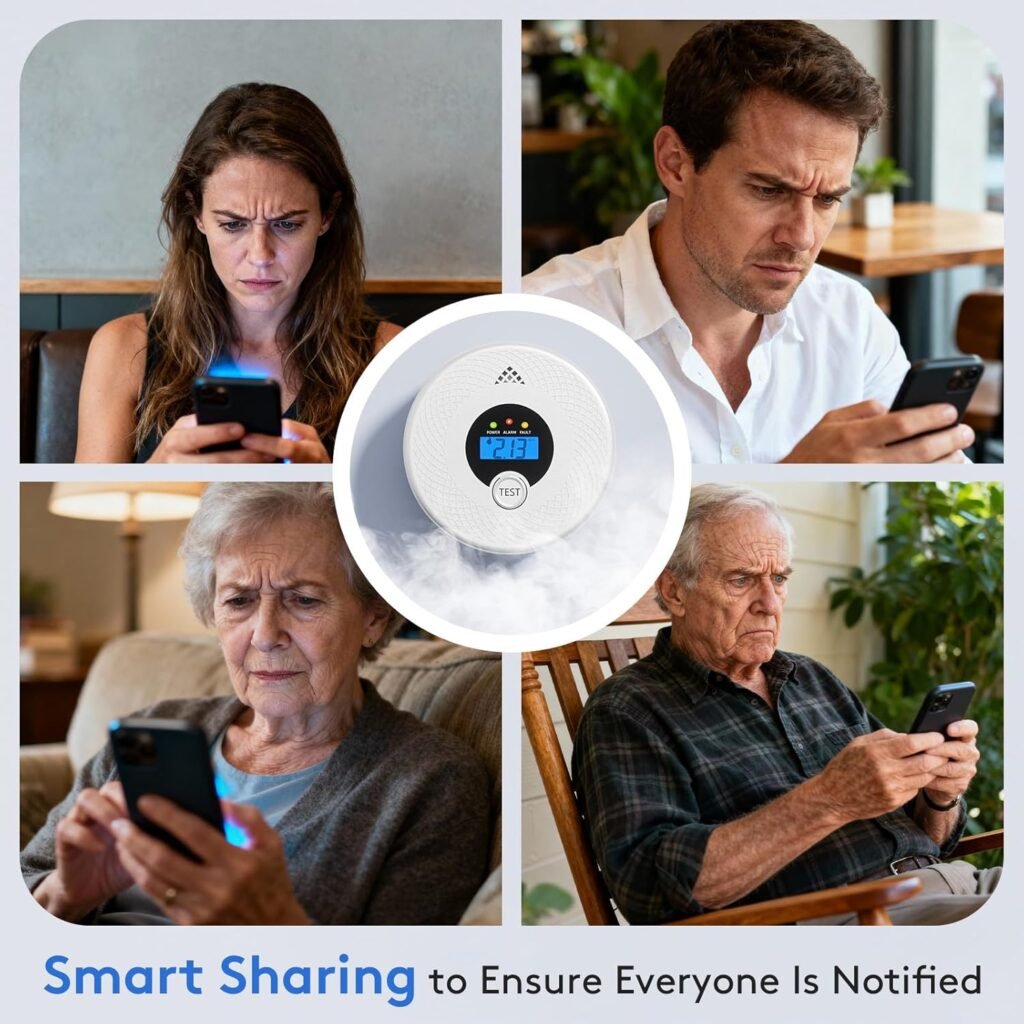
Through the app you can view historical alarm records, share devices with family members, and manage alerts easily. The ability to see past events and assign access to others makes monitoring more cooperative and useful for households with multiple people.

Quick Specs Table
This table gives you a side-by-side look at the product’s main points so you can scan what matters quickly.
| Feature | What it is | Why it matters to you |
|---|---|---|
| Package | 3-Pack combo alarms | Covers multiple rooms without buying units individually |
| Connectivity | 2.4 GHz Wi-Fi | Remote notifications to your phone; common home Wi-Fi band |
| Smoke Sensor | Photoelectric | Better at detecting smoldering fires and slow-burning smoke |
| CO Sensor | Electrochemical | Reliable method for measuring carbon monoxide levels |
| Battery Life | 5–10 years | Low maintenance; long service life for smoke/CO units |
| Alarm Volume | 85 dB | Loud enough to wake sleeping occupants in many situations |
| Visual Alerts | 3 light indicators + HD display | Provides clear, immediate status at the unit itself |
| App | Smart Life | Device sharing, history, and alerts in one app |
| Buttons | Test/Silence | Quick on-device testing and temporary hush during false alarms |
| Records | Historical alarm logs | Helpful for troubleshooting and verifying events |
| Sharing | Multi-user access | Family members can receive alerts and manage settings |
Installation and Setup
Installing smart alarms is two-part: physical mounting and connecting to your Wi-Fi/app. You’ll want to plan location, power access, and Wi-Fi reach before you start mounting.
Physical Installation
You usually mount these on ceilings or high on walls, following local building codes and manufacturer spacing recommendations. Make sure you place them away from cooking appliances or ducts that might create false triggers, but close enough to sleeping areas for safety.
App Setup and Wi-Fi
You’ll need the Smart Life app and a 2.4GHz network for setup; the devices won’t connect to 5GHz networks. During setup the app walks you through adding devices, connecting them to Wi-Fi, and labeling each unit for quick identification.
Sharing with Family
You can invite family members to the Smart Life app so more than one person receives real-time alerts. Sharing helps ensure someone else can act if you’re unavailable.
Mounting Tips
Test signal strength at each mounting location before finalizing placement—poor Wi-Fi can delay notifications. If a spot has weak Wi-Fi, consider a Wi-Fi extender or moving the alarm to a location with better connectivity while still complying with safety placement guidelines.

Daily Use and User Experience
Once installed, these units are designed for minimal daily interaction while providing clear alerts and easy testing. You’ll interact mostly through occasional testing, responding to alerts, and app notifications.
Test and Silence Button
The on-device test/silence button makes it simple to confirm the alarm is functioning or temporarily hush false alarms. Use the test function monthly to ensure sensors and the alarm are operational.
Visual Display and Indicators
The high-definition display and three light indicators give you quick status feedback without needing your phone. Colors or patterns typically indicate normal status, alarm, or fault—so you’ll know when to investigate.
App Notifications
In addition to the audible alarm, the app delivers push notifications with event details and timestamps. Notifications let you react from anywhere, whether that means calling a neighbor, contacting emergency services, or checking the situation in person.
Performance in Real Life
You care about how the device performs under real conditions—responsiveness to smoke, accuracy for CO, and whether alerts are timely. This section walks you through typical real-world expectations and caveats.
Smoke Detection Responsiveness
Photoelectric sensors are particularly effective at catching smoldering fires and slow-burning smoke that produce larger smoke particles. That means you’ll get earlier warnings for certain common household fire scenarios, though no detector can guarantee detection of every type of fire instantly.
CO Detection Accuracy
Electrochemical CO sensors provide accurate and stable readings of carbon monoxide from common household sources of combustion. Regular self-tests and periodic checks through the app can help you trust the readings, and you’ll want to replace units or batteries according to recommendations.
Alarm Sound and Visibility
An 85 dB alarm is loud enough to alert most occupants, especially when positioned correctly near sleeping areas. Combined with visual indicators and app alerts, you’ll have multiple channels of notification that reduce the chance of missing a dangerous event.
Notifications and Latency
Push notifications depend on your Wi-Fi and the app’s notification settings; when connectivity is solid, alerts are nearly instantaneous. If your internet or mobile connection is unreliable, local audible and visual alarms still provide immediate on-site warnings.
Battery Life and Maintenance
Long battery life reduces hassle, but you still have to maintain and test the alarms occasionally. This section helps you plan for maintenance and what to expect across the device lifespan.
What “5–10 Year Battery” Means
The stated 5–10 year battery life usually refers to sealed long-life batteries built into the device or a recommended replacement window for the entire unit. You’ll get a low-battery warning when power is running low, so you can plan replacement or inspection.
Low Battery Warnings
Expect audible chirps or app notifications to indicate low battery levels and prompt action. Don’t ignore repeated low-battery warnings; timely replacement is important to keep your alarms functioning.
Routine Testing
Test each alarm at least once a month using the test button, and follow manufacturer instructions for full diagnostics. Regular testing confirms sensor function and helps you catch issues like misconfigured app settings or weak Wi-Fi at a device location.
Cleaning and Care
Keep sensors free of dust and debris by gently vacuuming vents and wiping the exterior with a dry cloth occasionally. Avoid spraying cleaners directly on the sensor area and follow any manufacturer guidance for cleaning to avoid damaging the sensors.
App Experience
The Smart Life app is the hub for notifications, history, and device management—your experience here will shape how useful the smart features are for you. Expect basic controls plus sharing and history functionality.
Smart Life Interface
The app provides a dashboard for connected devices, allowing you to see status, check historical alarms, and receive real-time alerts. If you’re new to smart-home apps, Smart Life is generally straightforward with clear icons and device labels.
Notifications and History
You can access a log of past alarms and see timestamps for each event, which is handy for troubleshooting and record-keeping. Historical logs also make it easier to see patterns, like repeated false alarms that might indicate placement or sensor issues.
Device Sharing
Adding family members through the app lets them receive notifications and control certain device features. This multi-user access helps ensure there’s redundancy in who gets alerted and who can act.
Troubleshooting in the App
If a device loses Wi-Fi or reports a fault, the app often provides error messages or steps to try reconnecting. If you see persistent connection issues, try moving the unit, checking your router settings, or using a Wi-Fi extender.
Design and Build Quality
You’ll want alarms that don’t look out of place and that feel solid enough to last. Build and design affect both aesthetics and longevity.
Materials and Finish
These alarms generally have a plastic housing that’s lightweight yet sturdy enough for ceiling or wall mounting. The white finish tends to blend into common household ceilings and walls, keeping the devices discreet.
Display and Buttons
The HD display gives you immediate information at the unit, while the test/silence button is large enough to press easily. Clear labeling reduces confusion when you need to test, hush, or check the unit.
Size and Mounting Hardware
The compact size fits most standard mounting bases and makes it easier to place multiple units throughout your home. Mounting kits usually include screws and anchors, and the design often allows for twist-lock mounting to make swaps easier.
Durability Over Time
With long-life batteries and sealed components, these units are made for years of use, though mechanical buttons and displays can wear if used excessively. Keep an eye on display clarity and button responsiveness as the units age.
Pros and Cons
A clear look at advantages and drawbacks helps you decide whether this product meets your needs. You’ll want to weigh functionality, convenience, and any limitations against your expectations.
Pros
- You get both smoke and CO detection in a single compact unit, which simplifies coverage planning.
- Real-time app notifications mean you’ll know about alarms even when you’re away from home.
- Long battery life reduces the frequency of replacements and maintenance.
- The ability to share devices makes it practical for families and multiple caregivers.
- Local audible and visual alerts plus an HD display provide layered notification methods.
Cons
- These units require a 2.4GHz Wi-Fi network; if you only have 5GHz or limited Wi-Fi coverage, you’ll need an extender or different placement.
- App functionality and notification speed depend on your internet and phone settings, which can introduce variance in your experience.
- If you prefer third-party certified devices (e.g., specific UL/ETL listings), you’ll want to check certification status before purchasing.
- In noisy environments, 85 dB may be less effective—positioning near sleeping areas is still necessary.
Comparison with Similar Products
Comparing this combo to other smart detectors helps you see trade-offs and benefits in context. Think in terms of sensors, connectivity, ecosystem compatibility, and price.
Versus Dedicated Smoke or CO Alarms
Combo units save space and cost by handling both risks, while dedicated devices sometimes offer more advanced sensors for one hazard. If you prefer a single solution per room that covers both smoke and CO, combos are efficient, but specialized units can be preferable in certain high-risk environments.
Versus Brand Ecosystem Devices
Some smart detectors from major brands integrate tightly into proprietary ecosystems (voice assistants, native home platforms, professional monitoring). The Smart Life app offers broad compatibility and convenience, but you should confirm whether it integrates with the specific smart-home services you already use.
Cost and Value Comparison
A three-pack offers good per-unit value versus buying single units, and the long battery life reduces lifetime cost for maintenance. Compare features like alarm volume, app responsiveness, and warranty terms to determine which package offers the best value for your household.
Who Should Buy This
These combo alarms suit anyone who wants layered protection—local alarm plus remote notifications—without buying separate devices for smoke and CO. They’re especially useful if you want simple app control, device sharing, and a multi-pack for coverage across several rooms.
Best Use Cases
- Multi-bedroom homes where you want real-time notifications while away.
- Families that want shared access so multiple people receive alarms.
- Renters or homeowners who prefer easy installation and long-life batteries.
Not Ideal For
- Homes with only 5GHz Wi-Fi and no way to add 2.4GHz connectivity without a range extender.
- Users who require specific certification types or integration with an existing proprietary smart-home hub not supported by Smart Life.
Frequently Asked Questions
These FAQs cover the most common concerns you’ll want answered before buying, installing, and using the alarms.
Q: Do these units work without Wi-Fi? A: Yes. The local audible and visual alarms function independently of Wi-Fi, offering on-site protection even if network connectivity is lost. Wi-Fi is required only for remote notifications and app features.
Q: Can more than one person receive alerts? A: Yes. You can share the device in the Smart Life app so multiple users receive notifications and can view history. That ensures redundancy in who receives alarms.
Q: How often should you test the alarms? A: Monthly testing is recommended to confirm sensors and the alarm sound are working properly. Regular tests reduce the risk of malfunction going unnoticed.
Q: What does the low-battery warning look like? A: You’ll typically see audible chirps from the device and receive a low-battery notification in the Smart Life app. Follow the manufacturer’s guidance for replacement or maintenance once you get a low-battery alert.
Q: Will smoke from cooking cause false alarms? A: Photoelectric sensors are less likely to trigger for brief cooking smoke than ionization sensors, but heavy smoke from cooking can still set off the alarm. Place alarms away from direct cooking sources and follow placement guidelines to minimize false alarms.
Q: Do these alarms detect both smoldering and fast flaming fires? A: Photoelectric sensors are especially good at detecting smoldering fires; they also detect flaming fires but some fast, flame-heavy scenarios can trigger faster on ionization sensors. The combo provides broad coverage and is suitable for most typical household situations.
Q: Can the app store alarm history for reference? A: Yes, the Smart Life app stores historical alarm logs and timestamps so you can review past events. That history is useful for troubleshooting and documenting incidents.
Q: Is professional monitoring available? A: These devices are primarily consumer-grade with app notifications; professional monitoring typically requires integration with a monitoring service or compatible ecosystem. Check the Smart Life ecosystem and third-party integrations for monitoring options if that’s important to you.
Q: What happens if Wi-Fi is down during an alarm? A: Local audible and visual alerts still activate even if your Wi-Fi is down, ensuring immediate on-site notification. You’ll only lose remote app alerts until connectivity is restored.
Q: How long do these units typically last? A: With the advertised 5–10 year battery design, you should expect long-term service, but factors like environmental conditions and actual usage will influence lifespan. Replace units according to manufacturer recommendations and end-of-life indicators.
Troubleshooting Tips
If you run into hiccups, these practical tips can help you resolve common problems quickly and get back to safe monitoring.
If the unit won’t connect to Wi-Fi
Confirm you’re using a 2.4GHz network and that your router’s SSID and password are entered correctly. Temporarily move the unit closer to the router during setup to confirm connectivity, then relocate once paired.
If you receive frequent false alarms
Check placement relative to cooking areas, bathrooms, or HVAC vents and move the alarm if necessary. Clean the sensor area gently to remove dust, and test after repositioning to ensure consistent performance.
If app notifications are delayed
Verify your phone’s notification permissions for Smart Life are enabled and your internet connection is stable. Restart the app, and if problems continue, re-pair the device or check for firmware updates in the app.
If the alarm chirps intermittently
Intermittent chirps often indicate a low-battery condition, a fault, or a need for sensor cleaning. Check the app for fault messages and follow manufacturer instructions for battery or unit replacement.
Final Verdict
If you want combined smoke and CO protection with smartphone notifications and a multi-pack for broader coverage, this 3-Pack Wi-Fi Smoke Detector Carbon Monoxide Detector Combo with App Notifications, Test/Silence Button, Smart Smoke Detector & CO Alarm for Any Home, Real-Time Alert is a solid option. It balances long battery life, on-device alerts, and app-based monitoring in a package that suits most homes—just be mindful of the 2.4GHz Wi-Fi requirement and verify any certification needs you might have.
If you decide to buy, plan your placement, confirm Wi-Fi reach, and set up shared access so the whole household is alerted and prepared.
Disclosure: As an Amazon Associate, I earn from qualifying purchases.