
? Are you trying to find an affordable chemical exfoliant that can brighten and smooth your skin without complicated steps?
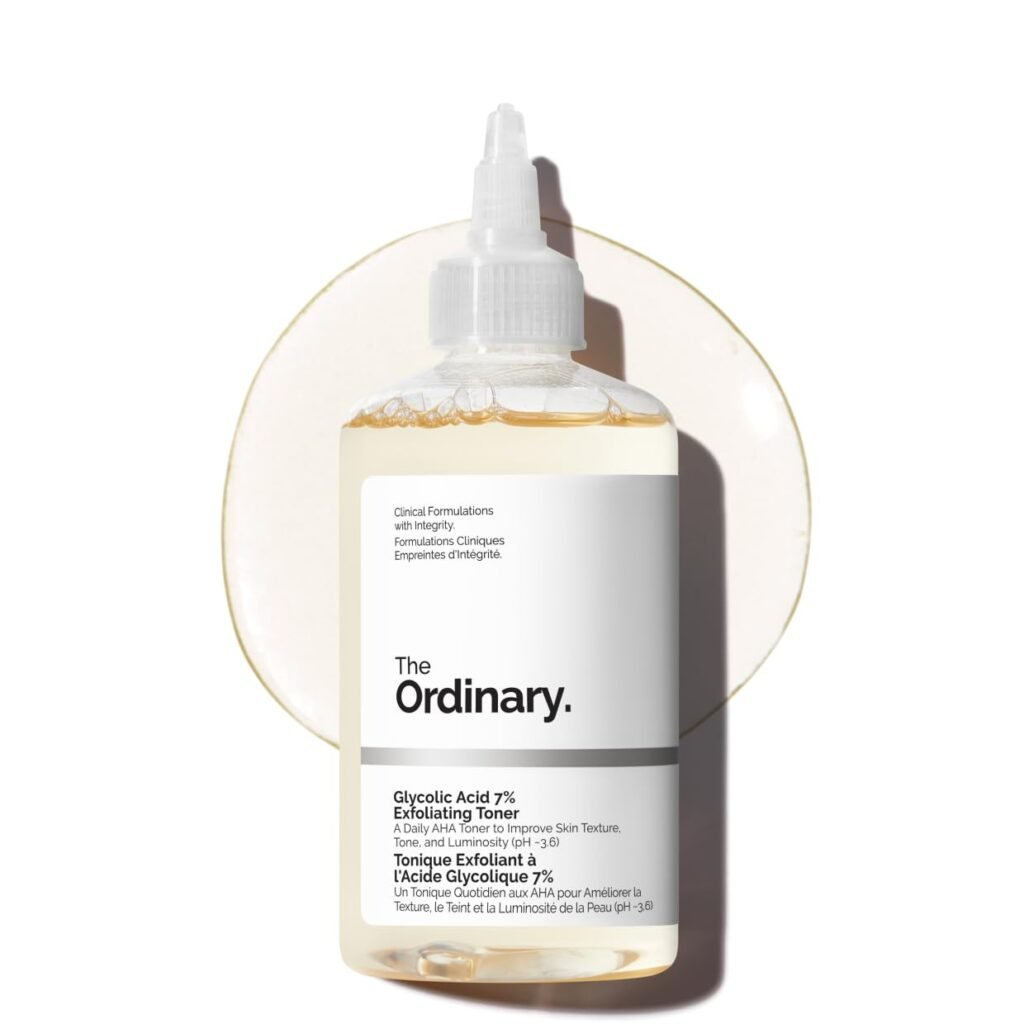

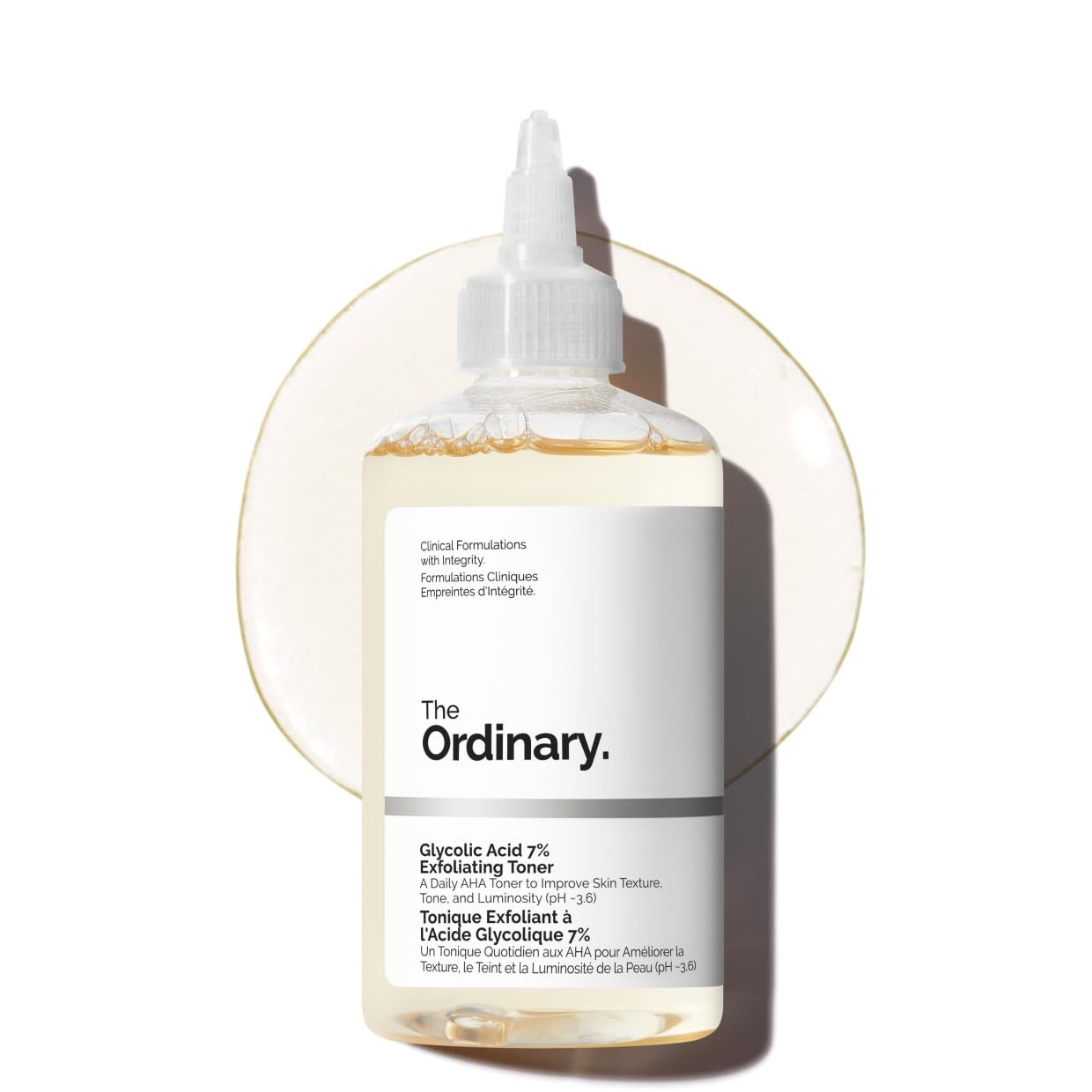
What is The Ordinary Glycolic Acid 7% Exfoliating Toner, Brightening and Smoothing Daily Toner for More Even-Looking Skin Tone?
This product is a chemical exfoliating toner formulated with 7% glycolic acid to help remove dead skin cells and improve skin texture. You use it like a toner after cleansing to support more even-looking skin tone and a smoother surface.
Key ingredients
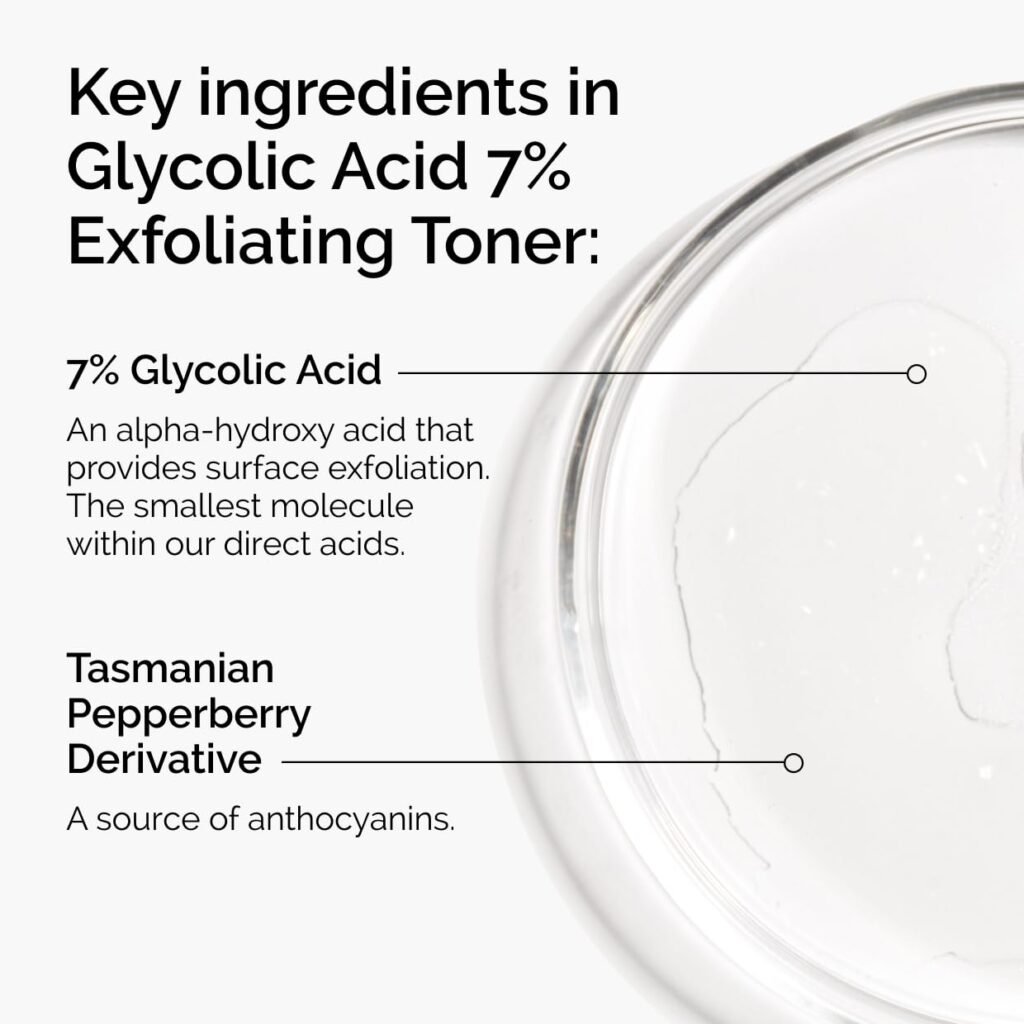
The core active is glycolic acid at 7%, an alpha hydroxy acid (AHA) that loosens the bonds between dead skin cells. The formula also includes a blend of botanical extracts and humectants intended to soothe and hydrate; these help reduce irritation and add some moisture to the skin after exfoliation.
Packaging and texture
It comes in a clear plastic bottle with a screw cap and is typically a watery, slightly viscous liquid that spreads easily. The lightweight texture makes it simple to apply with a cotton pad or your palms and absorbs quickly into the skin.
Scent
You may notice a faint, acidic scent when you first open the bottle because of the AHA. That scent usually fades quickly once the formula is on your skin and isn’t typically described as strong or perfumed.
How it works
The Ordinary Glycolic Acid 7% Exfoliating Toner works by using glycolic acid to speed up cell turnover and help slough away dead skin cells, which can reduce dullness and smooth texture. Regular, appropriate use promotes a brighter complexion and can make other skincare products absorb more effectively.
Glycolic acid explained
Glycolic acid is a small-molecule AHA derived from sugarcane that penetrates the skin efficiently to loosen intercellular glue between corneocytes (dead skin cells). Because it’s effective at chemical exfoliation, it’s often recommended for improving texture, brightening skin tone, and reducing the appearance of fine lines and post-inflammatory hyperpigmentation over time.
pH and concentration
This toner contains glycolic acid at 7%, a mid-strength concentration that’s stronger than very gentle toners but gentler than professional peels. The formulation is designed with a low pH to ensure the acid is active, which is important for exfoliation; if you have very sensitive skin you’ll want to proceed slowly and patch-test first.
Who should use it?
You should consider this toner if you want a cost-effective chemical exfoliant that targets dullness, uneven tone, and rough texture. It suits people who are already comfortable using acids in their routine or those ready to introduce a single, straightforward AHA step.
Best for
This product tends to be best for normal, combination, and oily skin types that tolerate chemical exfoliation, as well as for people dealing with mild uneven texture, mild hyperpigmentation, or general dullness. It’s a practical option if you’re seeking affordable, consistent exfoliation without salon visits.
Avoid if
If you have active eczema, open wounds, severe rosacea, extremely sensitive or compromised skin, or are using professional in-office chemical peels, this product may be too irritating. Avoid if you experience significant stinging, burning, or prolonged redness during a patch test.
How to use it (step-by-step)
Using this toner correctly will maximize benefits and minimize irritation. Apply it after cleansing and before serums/moisturizers, and always follow with sunscreen in the morning.
- Cleanse: Start with a gentle cleanser suited to your skin type and pat your skin dry.
- Patch test: Apply a small amount on the inner arm or behind the ear for 24–48 hours before full-face use.
- Apply: Pour a small amount onto a cotton pad or into your palm and sweep or press gently across the face, avoiding the eye area.
- Layer: Wait a minute for it to absorb, then follow with water-based serums and a moisturizer.
- Sunscreen: In the morning, always finish with broad-spectrum sunscreen SPF 30 or higher because AHAs increase sun sensitivity.
Patch test
You should always patch-test the product before full-face use to check for allergic reactions or strong irritation. Apply a small amount to an inconspicuous area and observe for 24–48 hours; if you notice intense redness, swelling, or prolonged stinging, don’t use it on your face.
Frequency and layering
Begin using it 2–3 times a week at night and increase frequency as tolerated up to daily, if your skin handles it. Avoid using other strong chemical exfoliants, high-concentration vitamin C (L-ascorbic acid) at the same time, or retinoids/retinol simultaneously without spacing them out to reduce risk of irritation.

Results you can expect
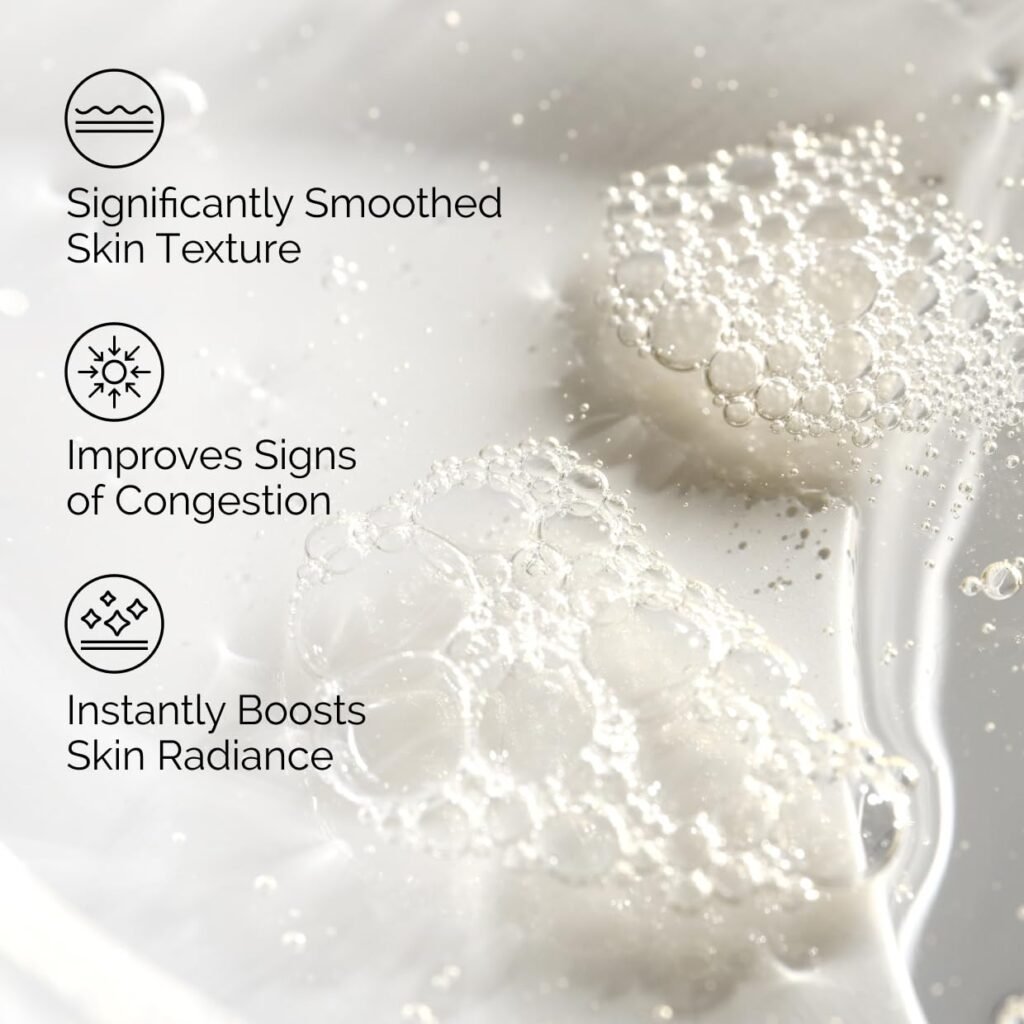
With consistent, appropriate use, you can expect improved skin texture and brightness within a few weeks, and more noticeable fading of mild dark spots over 6–12 weeks. Results vary by individual and depend on how often you use the product and whether you protect your skin from the sun.
Side effects and how to manage them
You may experience mild tingling or a brief stinging sensation on first uses; this is common with AHAs but should subside quickly. If you get persistent burning, blistering, or severe redness, stop using it and consult a healthcare professional.
- Mild irritation: Reduce frequency to twice weekly or less.
- Over-exfoliation: Pause the product, use gentle moisturizers and barrier-repair ingredients like ceramides, and avoid actives until the skin recovers.
- Increased sun sensitivity: Use broad-spectrum sunscreen daily and reduce sun exposure.
Ingredients breakdown
Below is a simplified breakdown of the main components you’ll typically find or expect in the formula and what they contribute. This helps you understand what each part does for your skin.
| Ingredient (typical/primary) | Purpose | Notes |
|---|---|---|
| Glycolic Acid (7%) | Chemical exfoliant (AHA) | Targets dead skin cells, improves texture and brightness |
| Tasmanian Pepperberry Derivative (or similar) | Soothing agent | Helps reduce irritation commonly associated with AHAs |
| Aloe Vera Leaf Juice | Soothing, hydrating | Adds calming and hydrating properties |
| Ginseng Root Extract | Antioxidant, revitalizing | Supports skin health and tone |
| Humectants (e.g., glycerin) | Hydration support | Helps retain moisture after exfoliation |
| Purified Water | Solvent/base | Vehicle for the formula |
Below the table: This chart highlights primary actives and supportive ingredients to give you a clearer sense of how the formula balances efficacy and comfort. Ingredient lists can vary slightly by batch or region, so check the printed label for exact details.
Pros and cons
Here’s a quick breakdown of the major advantages and potential drawbacks to help you weigh whether this toner fits into your routine.
| Pros | Cons |
|---|---|
| Affordable and widely available | Can be irritating for sensitive or compromised skin |
| Effective mid-strength AHA (7%) | Increases sun sensitivity — sunscreen required |
| Lightweight, easy-to-use liquid | Not suitable to layer with other strong actives without caution |
| Minimalist ingredient philosophy | Some users report initial tingling or redness |
| Helps improve texture and brightness | May not be enough for severe hyperpigmentation or acne scarring |
Below the table: These pros and cons reflect common user experiences; individual results and reactions will vary.
Comparison with similar products
Comparing this toner to alternatives helps you decide based on strength, texture, and price.
The Ordinary vs. Pixi Glow Tonic (5% glycolic)
Pixi Glow Tonic uses 5% glycolic acid and includes ginseng and aloe, offering a gentler option if you’re new to glycolic acid. You’ll get slightly stronger exfoliation with the 7% Ordinary formula, but a slightly increased chance of initial sensitivity.
The Ordinary vs. Paula’s Choice Skin Perfecting 8% AHA
Paula’s Choice 8% AHA is formulated as a leave-on exfoliant that many find very effective at smoothing texture; it may feel a bit more refined for some users and often costs more. The Ordinary is a budget-friendly alternative with a slightly lower concentration.
The Ordinary vs. The Ordinary Lactic Acid 5% + HA
If you find glycolic too strong, The Ordinary’s Lactic Acid 5% + HA is a milder AHA with larger molecules that exfoliate more gently and provide hydrating benefits from hyaluronic acid. It’s a good alternative for sensitive-dry skin that still wants AHA benefits.
If you have sensitive skin
If your skin is sensitive, approach slowly: do a careful patch test, start with once or twice weekly applications, and consider a lower-concentration AHA or a lactic acid option instead. You should watch for prolonged redness or stinging and stop if irritation occurs.
How to adapt usage for sensitivity
Buffering by applying a moisturizer before the toner can reduce sting for some people, or mixing small amounts of the toner into a moisturizer can lower effective concentration per application. However, buffering also reduces the exfoliation effect, so adjust based on what you want to achieve.
If you have acne-prone skin
Glycolic acid can help remove dead skin cells that clog pores and improve texture, which benefits many with mild-moderate acne. If you have active inflammatory acne (nodules or cysts), use cautiously and consider alternating with acne-specific treatments rather than layering them immediately.
Combining with acne treatments
Don’t apply benzoyl peroxide or strong topical retinoids at the same time as this toner without spacing applications (e.g., AHA at night and retinoid on alternate nights), because combining can increase irritation. Consult your dermatologist if you’re on prescription acne medication.
Price and value
One of the biggest selling points is value: The Ordinary is known for straightforward formulations at low prices, making consistent exfoliation accessible. Prices vary by region and retailer, but you can typically expect a lower cost per use compared to many branded toners, giving good value if you tolerate the product.
Tips for best results
Use sunscreen daily and reapply as needed when using this toner, because AHAs thin the outer layer of dead cells and increase UV sensitivity. Start slowly to build tolerance and avoid combining with multiple actives at the same time to reduce irritation.
- Always patch-test before regular use.
- Start with 1–2 nights per week and gradually increase if tolerated.
- Avoid using it on days you have in-office chemical peels or aggressive at-home treatments.
- Keep your skin hydrated with a gentle, non-comedogenic moisturizer.
- If you experience extreme irritation, discontinue and see a professional.
Storage and shelf life
Store in a cool, dry place away from direct sunlight and heat to maintain stability. Keep the cap tightly closed between uses, and check the printed expiry or PAO (period after opening) symbol on the bottle for guidance.
Frequently asked questions (FAQ)
Below are common questions people ask and practical answers you can use when deciding whether to include this toner in your routine.
Q: Can you use this every day?
A: You can if your skin tolerates it; start slowly and observe how your skin responds. Many people move to nightly or near-nightly use over weeks, but daily use may not be necessary for everyone.
Q: Can you use it in the morning?
A: You can, but you must follow with a broad-spectrum sunscreen because AHAs increase sun sensitivity. Many prefer using AHAs at night to avoid daytime UV exposure and layering conflicts.
Q: Can you use it with vitamin C?
A: It’s best to avoid using strong vitamin C (L-ascorbic acid) at the same time as glycolic acid because both are acidic and may increase irritation or reduce effectiveness. If you use both, consider alternating routines (vitamin C in the morning, AHA at night) or using them on alternate days.
Q: Is it safe during pregnancy?
A: Glycolic acid is generally considered low systemic risk because of minimal systemic absorption, but you should consult your healthcare provider to be certain and discuss personal circumstances.
Q: Should you use a cotton pad or your hands?
A: Both methods work. A cotton pad offers gentle physical exfoliation in addition to the chemical action, which some people prefer; using your hands can be gentler and reduce cotton waste.
Final verdict
If you want an affordable, straightforward AHA toner that helps brighten, smooth, and support more even-looking skin tone, The Ordinary Glycolic Acid 7% Exfoliating Toner, Brightening and Smoothing Daily Toner for More Even-Looking Skin Tone is a strong candidate. It offers good active concentration for at-home use, a minimalist formula, and solid value, but you must use it thoughtfully: patch-test, build up frequency, avoid mixing with other potent actives in the same application, and always use sunscreen.
Who should buy it
You should buy it if you have normal to oily skin or are experienced with chemical exfoliants and want an effective, budget-friendly way to improve texture and brightness. If you have sensitive or compromised skin, consider a milder AHA or consult a professional first.
Final tips
Introduce it slowly, protect your skin from the sun, and be patient — chemical exfoliation works gradually. If you follow those basics, this toner can be a simple and effective addition to your skincare routine.

Disclosure: As an Amazon Associate, I earn from qualifying purchases.