
?Have you ever wondered why some habits stick and others fade after a week?

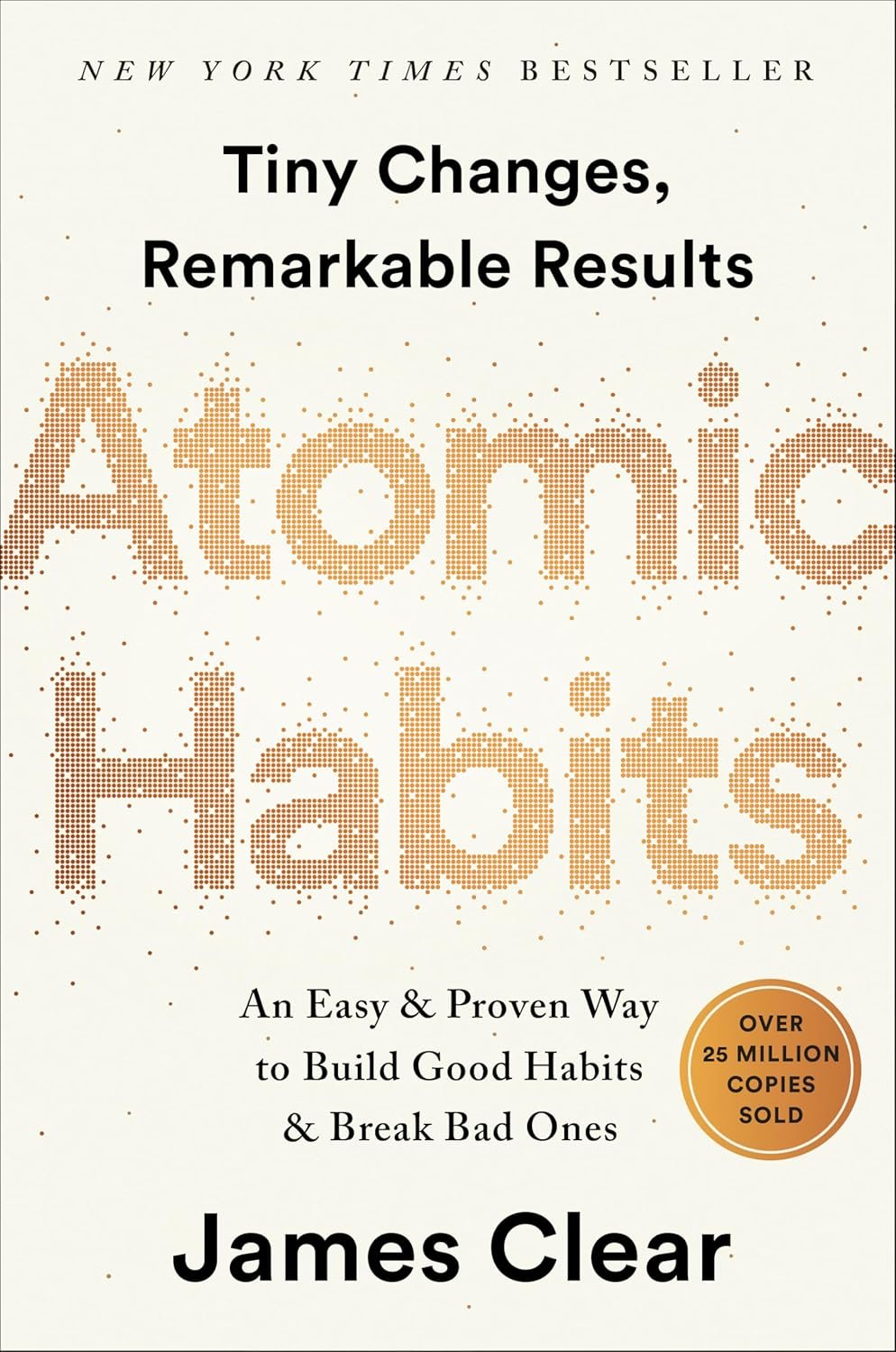
About “Atomic Habits: An Easy & Proven Way to Build Good Habits & Break Bad Ones Hardcover – October 16, 2018”
You’re looking at a highly practical book that aims to change how you form habits by focusing on tiny, consistent improvements. The product edition specified is the hardcover released on October 16, 2018, which gives you a sturdy, collectible copy if you prefer physical books.

Atomic Habits: An Easy & Proven Way to Build Good Habits & Break Bad Ones Hardcover – October 16, 2018
$18.88 In Stock
Who wrote it and why it matters to you
James Clear is the author, and he builds his advice on behavioral science, personal experience, and countless real-world examples. If you want strategies that are actionable rather than just inspirational, this book was written to be something you can apply immediately to daily routines, work, and relationships.
What the book promises
The core promise is that small changes compound into significant results, and that you can design your environment and identity to make good habits inevitable. You’ll get a system — not just motivation — to build good habits and break bad ones, which is especially useful if you’ve found willpower alone to be unreliable.
How the book is structured
The book is organized around a few central frameworks and supported by anecdotes, research summaries, and practical checklists. Rather than a dense academic treatise, the structure lets you read a chapter and immediately try a technique that’s described.
Core idea: Small improvements add up
You’ll learn that improving by just 1% every day compounds dramatically over time, and that focusing on processes instead of goals helps you design sustainable change. The book repeatedly brings you back to the power of marginal gains so you can stop expecting overnight transformations and start building a realistic plan.
The Four Laws of Behavior Change
The backbone of the book is the Four Laws of Behavior Change, and you’ll use them as a checklist to create new habits or dismantle the old ones. Each law is paired with practical tactics you can apply the same day you read the chapter.
Law 1 — Make it obvious
You’ll adjust cues in your environment so the right behavior becomes the most visible and likely thing to do. By changing what you see and where you spend time, your day nudges you toward the behavior you want.
Law 2 — Make it attractive
You’ll learn to associate positive emotions and immediate appeal with habits you want to adopt, increasing the odds you’ll repeat them. Habit bundling and temptation bundling are techniques the author recommends to pair something you want with something you need.
Law 3 — Make it easy
You’ll reduce friction by simplifying the steps required to perform a habit so execution is almost effortless. Ideas like the Two-Minute Rule are designed so you can bypass resistance and get started.
Law 4 — Make it satisfying
You’ll create quick, obvious rewards or ways to track progress because immediate satisfaction increases repetition. You’ll also learn how to use visual cues like habit trackers to keep you motivated through small wins.
Key techniques and tools
The book is full of practical techniques you can implement immediately in your life. You’ll find tools that focus on identity, cues, environment design, habit stacking, and measurement.
Habit stacking
You’ll attach a new habit to an existing routine by using a simple formula: “After [current habit], I will [new habit].” This method leverages what you already do and makes adoption smoother.
Two-Minute Rule
You’ll scale habits down to just two minutes to lower the activation energy required to start. Starting a habit for two minutes often leads to continuing it for longer, overcoming the initial resistance.
Habit scorecard
You’ll write down your daily habits and label them as good, bad, or neutral to increase awareness and accountability. The simple act of recording helps you see patterns you can change.
Identity-based habits
You’ll shift focus from outcomes to the type of person you want to become, asking yourself “Who is the type of person that could achieve this?” You’ll then take small actions that prove that identity to yourself.

How readable and practical it is
You’ll find the writing style conversational and easy to follow, with concrete examples that make abstract ideas tangible. If you prefer practical lists and baby-step instructions, you’ll appreciate the straightforward language and checklists.
Evidence and credibility
You’ll see a mix of scientific citations and real-world anecdotes, which makes a persuasive case for the methods without becoming overly academic. The balance means the book reads like a usable manual backed by research rather than a textbook full of dense jargon.
What you’ll gain from reading it
You’ll gain a repeatable system for habit formation, plus specific tactics you can apply to health, productivity, relationships, and learning. You’ll also gain a mindset shift — focusing on identity and process rather than fixed goals.
How the book supports habit maintenance
You’ll discover ways to make habits stick long-term through environment design, social reinforcement, and identity work. The book recognizes that starting is only half the battle and gives you tools to preserve momentum over months and years.
Practical examples you can copy
You’ll find step-by-step examples, such as how to implement a morning routine, set up an exercise habit, or reduce digital distraction. These examples are often specific enough that you can adapt them directly to your life.
Strengths of the book
You’ll appreciate how actionable the advice is and how approachable the tone remains, even while covering complex behavior change patterns. The utility of the Four Laws as a mental model is a major strength because it helps you diagnose habit problems quickly.
Limitations and common critiques
You’ll notice that some readers find the book repetitive, and some strategies may feel obvious once you’ve read them. If you’re facing clinical-level mental health issues, you’ll need professional support — the book isn’t a substitute for therapy.
Who this book is best for
You’ll benefit most if you want practical steps to improve daily routines, productivity, and wellbeing through small changes. If you already enjoy self-improvement and are ready to experiment with structured tactics, this book will give you both the roadmap and the tools.
Who might not get as much out of it
You’ll get less value if you’re looking for a quick-fix or want miracle transformations overnight. If you prefer highly technical or deeply scientific exposition without anecdotal content, you might find it lighter than expected.
How to read it for maximum impact
You’ll get more from the book if you actively experiment while reading — try one technique per week and track the results. Annotating, creating a habit scorecard, and setting up a simple habit tracker will help you convert insights into long-term changes.
Suggested 8-week action plan to apply the book
You’ll be able to implement a straightforward plan that breaks the book’s teachings into weekly tasks. Following a paced approach reduces overwhelm and increases the chance you’ll internalize the habits.
Week 1: Audit your current habits and implement a habit scorecard.
Week 2: Pick one habit and apply the Two-Minute Rule to get started.
Week 3: Use habit stacking to tie the new habit to an existing routine.
Week 4: Design your environment to make the habit obvious and attractive.
Week 5: Add a satisfying immediate reward and a simple tracking method.
Week 6: Focus on identity statements and repeat the habit until it becomes automatic.
Week 7: Troubleshoot friction and refine the habit cues and rewards.
Week 8: Expand or scale the habit while tracking results and celebrating consistency.
Example table: Quick reference for habit strategies
You’ll find this table helps you choose an immediate tactic based on a common problem. It condenses the Four Laws into actionable moves.
| Problem you face | Which law to apply | Quick tactic you can try today |
|---|---|---|
| You forget to practice a new skill | Make it obvious | Leave your practice materials in plain sight and set a calendar reminder |
| You find the habit boring | Make it attractive | Pair it with a favorite playlist or a small treat after completion |
| You never start because it feels overwhelming | Make it easy | Use the Two-Minute Rule — do just two minutes to begin |
| You drop the habit after a week | Make it satisfying | Use a simple habit tracker and celebrate each day you complete it |
| You keep slipping back into old identities | Identity-based approach | Write “I am the type of person who…” statements and perform one identity-affirming action daily |
How the book handles breaking bad habits
You’ll use the inverse of the Four Laws to break unwanted patterns: make them invisible, unattractive, difficult, and unsatisfying. Practical tactics include reducing exposure, increasing friction (making access harder), and restructuring rewards.
Concrete steps to reduce bad habits
You’ll remove cues by changing your environment, swap enjoyable triggers for healthier alternatives, and create accountability systems that make it less likely you’ll revert. The book offers multiple examples of how people have used these methods successfully.
Real-life stories and case studies
You’ll read stories about athletes, entrepreneurs, and ordinary people who achieved major results through tiny adjustments. These anecdotes illustrate the system in action and help you see how to adapt the strategies to your unique circumstances.

The role of environment design
You’ll learn that environment design is one of the most powerful levers for behavior change because it shapes the cues you encounter daily. Small physical changes, such as relocating your phone or rearranging your workspace, make a disproportionate difference.
Tracking progress and metrics
You’ll get practical advice on what to measure and how to avoid overcomplicating things with too many metrics. The best approach is to measure frequency and consistency rather than perfection, which makes tracking sustainable.
Accountability and social influence
You’ll learn to leverage social networks and public commitments as forces that make habits more likely to stick. Joining groups, finding an accountability partner, or making commitments public can raise the cost of quitting and increase follow-through.
How to tailor the methods to your schedule
You’ll adapt tactics to fit a busy life by choosing minimal time requirements and bundling habits with existing routines. The emphasis is always on low-friction, high-consistency practices you can keep up over months.
How the book treats relapse and recovery
You’ll be reassured that setbacks are part of the process and that rapid recovery is often more important than avoiding failure. The recommended method is to treat relapses as data points and to rebuild momentum quickly rather than wallow in guilt.
Comparing “Atomic Habits” with similar books
You’ll find that compared to other habit books, this one is more tactical and system-oriented, while some alternatives emphasize narrative or neuroscience in greater depth. If you want step-by-step procedures and practical worksheets, this book tends to be among the most applicable.
Pricing and edition considerations
You’ll get a durable hardcover edition if you buy the specified product, which is handy if you annotate margins or keep the book for repeated reference. Hardcover copies tend to hold up better to repeated usage, which is useful if you plan to use it as a workbook.
Who should buy the hardcover edition
You’ll prefer the hardcover if you like physical notes, long-term reference, or presenting the book as a gift. The hardcover also tends to feel more substantial if you enjoy a tactile reading experience.
Common reader questions answered
You’ll likely wonder how quickly changes happen and whether the tactics will work for deep-seated habits. Results vary, but the book emphasizes consistency and identity work as key drivers of durable change.
Is this method science-based?
You’ll find numerous references to psychology and behavioral economics, but the book blends studies with practical examples so it stays accessible. If you’re looking for rigorous academic detail, you might supplement with original research papers, but the book stands well as a synthesis of applicable findings.
Is it repetitive?
You’ll notice repeated examples and reminders because the author reinforces behavior-change principles throughout. Many readers find the repetition helpful for learning and applying the ideas instead of seeing it as padding.
Can it help with serious addictions or mental health disorders?
You’ll find useful tools here, but this book is not a substitute for professional treatment for addiction or clinical conditions. Use these tactics alongside therapy and medical advice when dealing with serious health matters.
How long until you see results?
You’ll sometimes notice small changes in days and more meaningful changes in weeks or months, depending on the habit and consistency. The emphasis is on the compound effect, so patience and steady application are keys.
Practical criticisms and realistic expectations
You’ll see that some situations involve structural barriers — like economic constraints or caregiving responsibilities — that make habit formation harder. The book helps you optimize within constraints, but it doesn’t magically remove external obstacles.
Tips for turning lessons into a daily habit plan
You’ll make a simple checklist, pick one habit at a time, and commit to two minutes daily for each new habit until it becomes routine. Combine habit stacking and environmental tweaks to ensure your plan fits into the flow of your day.
Additional resources and follow-up
You’ll find James Clear’s website and newsletter full of worksheets, templates, and follow-up articles that reinforce the book’s recommendations. Supplementing reading with these resources makes application simpler and more consistent.
Summing up the practical value
You’ll come away with a practical playbook for small, sustainable changes that accumulate to significant life improvements. The emphasis on identity, context, and tiny habits means the lessons are adaptable to many aspects of life.
Final verdict
You’ll find this book to be one of the most actionable and reader-friendly guides to habit formation, particularly if you prefer practical steps over abstract theory. If you’re ready to commit to gradual change and want a system you can use again and again, this hardcover edition of “Atomic Habits: An Easy & Proven Way to Build Good Habits & Break Bad Ones” is a solid investment in your personal growth.
Quick buying considerations
You’ll decide between editions based on how you plan to use the book: as a thoughtful reference, choose the hardcover; for portability, look for paperback or audiobook versions. No matter the format, the core content remains the same and can guide your next set of habit experiments.

Disclosure: As an Amazon Associate, I earn from qualifying purchases.