
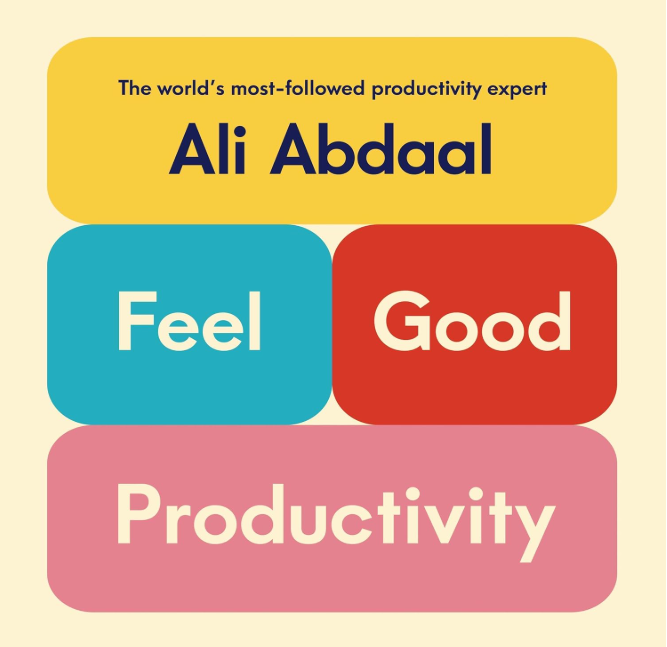
by Dr. Ali Abdaal
Reader Snapshot (Before You Decide)
Before getting into the details, here’s how many readers describe this book:
- “A guide, not a guru.”
- “Productivity without guilt.”
- “It changed how I think about work, not just how I manage tasks.”
These aren’t promises — they’re patterns that show up again and again in reviews.
And honestly, while reading them, I kept thinking: this sounds exactly like what I felt.
That’s why I wanted to include both perspectives here — theirs and mine.
Why I Picked Up This Book (My Personal Context)
I came across this book because I started Instagram.
At some point, I realized I didn’t just want to consume content — I wanted to become a content creator myself.
That’s how I found Ali Abdaal.
What pulled me in wasn’t just productivity tips.
It was his genuine tone. He didn’t feel like someone selling a system. He felt like someone actually trying to explain how he lives and works.
When I heard him talk about this book, I thought, I want to read that.
After reading it, what stayed with me was this feeling that he genuinely wants to share what he’s learned — and that he really hopes it helps someone else. That sincerity comes through more than any technique.
And let’s be honest: this is someone who went through medical training. He’s clearly very smart.
Sure, academic performance has a lot to do with genetics. But that can’t be the whole story. Someone doesn’t live and perform at that level without some underlying way of thinking.
My brain isn’t suddenly going to become better now.
But I wanted to understand what kind of thinking / behaviour / pattern supports a life like his.
That curiosity — more than productivity itself — is what led me to this book.
What Feel-Good Productivity Is About
Most productivity books focus on discipline, routines, and willpower.
Feel-Good Productivity takes a different approach.
Ali Abdaal argues that sustainable productivity doesn’t come from forcing yourself to work harder — it comes from making work feel better.
The book draws on psychological research to explain why joy, curiosity, and play aren’t distractions. They’re foundational. When work feels good, consistency becomes easier. Momentum follows naturally.
The book is available in multiple formats:
- Hardcover
- eBook (Kindle)
- Audiobook (5 hrs 31 mins), narrated by the author
The format doesn’t change the message: productivity should support your life, not drain it.
Why This Book Became a Bestseller
Feel-Good Productivity was selected as an Editor’s Pick for Best Books of the Year 2024, and the reader response helps explain why.
Instead of rigid systems, the book introduces a human-centered framework built around:
- Three energizers that make work enjoyable
- Three blockers that lead to procrastination
- Three sustainers that prevent burnout
Ali supports these ideas with stories from founders, Olympians, and Nobel Prize–winning scientists — showing that high performance doesn’t have to come at the cost of well-being.
As of now, 91% of readers rate the book 4 stars or higher, which suggests consistent satisfaction rather than hype.
What Readers Keep Saying (And Why It Felt Familiar)
Many readers describe the book as a relief from guilt-driven productivity culture. Instead of pressure, it offers empathy and perspective.
Others highlight how Ali breaks down complex psychology into ideas that feel usable, not overwhelming. The tone is warm, honest, and non-preachy.
One theme comes up repeatedly:
This book doesn’t push you to do more — it helps you feel better while doing what already matters.
Reading these reviews, I realized why they resonated with me so much.
They weren’t describing a system.
They were describing a shift in how work feels.
How It Compares to Atomic Habits
If you’ve read Atomic Habits, this comparison helps set expectations.
- Atomic Habits focuses on systems, structure, and repetition.
- Feel-Good Productivity focuses on emotional energy — why habits stick or fall apart in the first place.
Many readers (myself included) see them as complementary. One explains how habits form. The other explains why you’re able to sustain them.
Who This Book Is For
This book tends to resonate with:
- People who feel mentally drained despite “doing the right things”
- Anyone stuck in endless scrolling during supposed rest time
- Readers who feel behind while others seem to move forward
- Those burned out by hustle culture but still wanting growth
The audiobook works well in short sessions. The ebook and hardcover suit slower, reflective reading.
Who It May Not Be For
- Readers who mainly enjoy fiction or fantasy
- Those wanting a strict, highly structured productivity system
- Anyone expecting instant transformation from one read
This book works best when absorbed gradually and revisited.
Final Thoughts
Feel-Good Productivity isn’t about squeezing more tasks into your day.
It’s about changing how work feels — so progress becomes lighter, more natural, and more sustainable.
If you’ve ever thought,
“I know what to do, but I can’t keep doing it,”
this book offers a thoughtful alternative.
Before deciding, read a few reviews.
If other readers’ experiences sound uncomfortably familiar, that’s usually a good sign.
Disclosure: This post contains affiliate links. If you purchase through these links, I may earn a small commission at no additional cost to you. This content reflects my personal opinions and experiences and is not sponsored by Amazon.