
Understanding Humectants: What They Are and How They Work
Humectants are key ingredients in skincare products known for their ability to retain moisture. These compounds work by attracting water from the environment or deeper skin layers and binding it to the outer skin surface. This action not only enhances hydration but also improves the skin’s overall appearance and texture. Common examples of humectants include hyaluronic acid and glycerin, both of which are particularly effective in various formulations, including face masks.
The science behind humectants lies in their molecular structure, which allows them to draw water through hydrogen bonding. When applied to the skin, they interact with water molecules, pulling them into the epidermis and helping to create a plump, well-hydrated appearance. This process is vital for maintaining optimal skin health, as hydration contributes significantly to skin elasticity, softness, and resilience. Moreover, humectants can also help support the skin barrier, mitigating the effects of environmental stressors and preventing transepidermal water loss.
Furthermore, humectants are versatile; they can function well in diverse humidity levels. In high-humidity conditions, they draw moisture directly from the air, while in more arid environments, they can extract moisture from lower skin layers. By continually attracting and binding water, humectants like hyaluronic acid and glycerin help achieve a balanced moisture level in the skin. This consistent hydration is essential for reducing the appearance of fine lines and maintaining a youthful complexion.
In summary, humectants play a foundational role in skincare, notably in moisturizers and face masks, by enhancing hydration and supporting skin barrier function. Their unique properties make them indispensable for anyone looking to improve their skin’s moisture levels and overall health.
The Spotlight on Hyaluronic Acid: Benefits and Short-term Effects
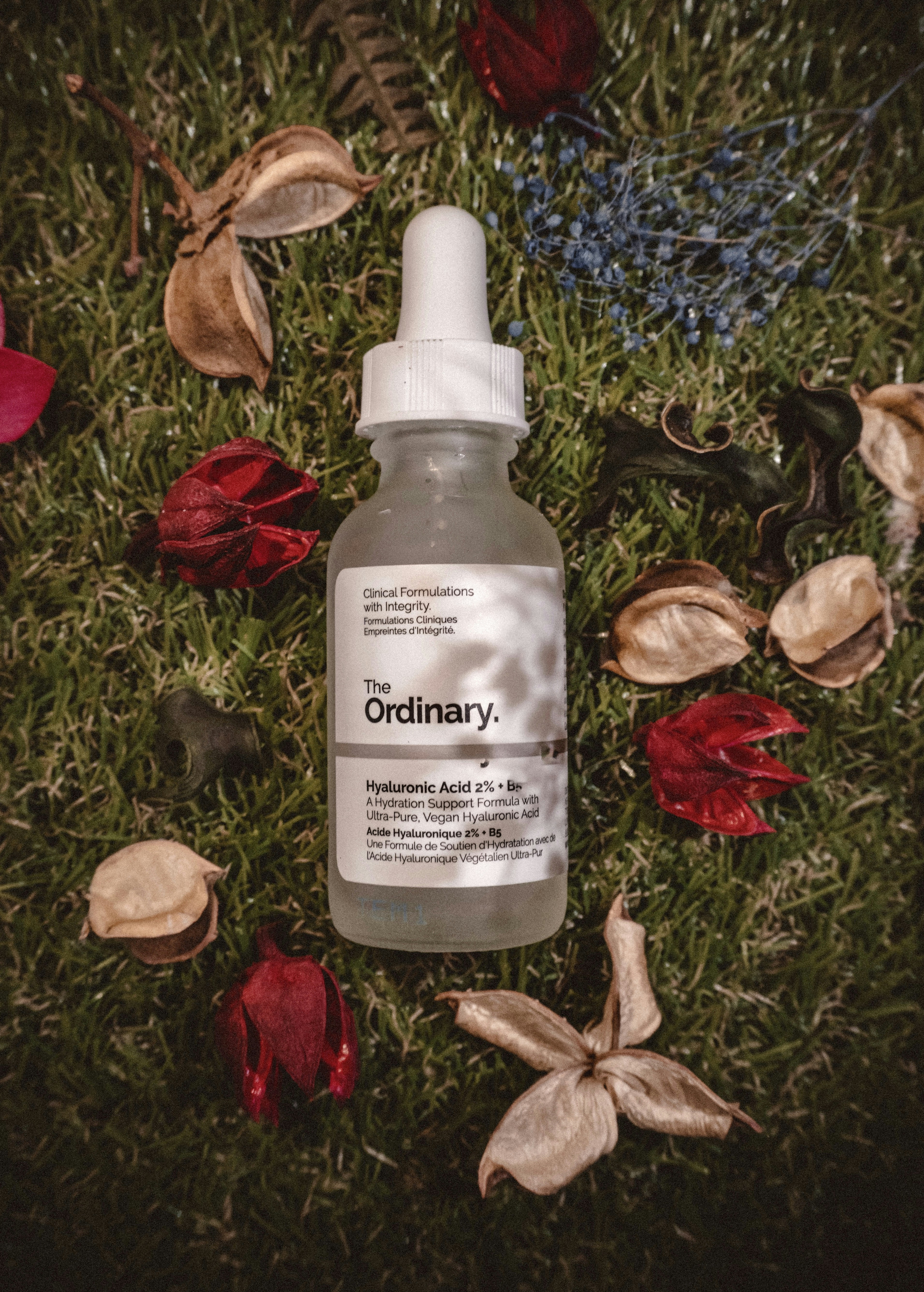
Hyaluronic acid (HA) has emerged as a vital ingredient in the skincare industry, particularly known for its remarkable properties as a powerful humectant. Its primary function revolves around attracting and holding moisture, which is essential for maintaining skin hydration. When applied topically, hyaluronic acid acts like a sponge, drawing water to the skin’s surface, thereby enhancing its overall hydration levels. This property is especially beneficial for those seeking to combat dryness and achieve a smoother, plumper complexion.
The ability of hyaluronic acid to increase surface hydration significantly contributes to its popularity in face masks, particularly those designed for short-term use. Products that feature hyaluronic acid often deliver immediate results. Users can experience visibly plumper skin that feels more supple and hydrated shortly after application. This effect is largely a result of the temporary nature of hyaluronic acid’s benefits, making it an ideal component in rinse-off products and single-use masks that cater to quick skincare routines before events or outings.
Numerous skincare brands have harnessed the power of hyaluronic acid in their formulations. For instance, high-end brands like SK-II and Dr. Dennis Gross include this ingredient in their face masks, ensuring that users receive extraordinary hydration in a matter of minutes. Additionally, more affordable options such as L’Oreal Paris and Neutrogena also offer effective masks with hyaluronic acid, providing accessible hydration solutions for a wide range of consumers.
In conclusion, the unique properties of hyaluronic acid, particularly its ability to attract water and temporarily plump the skin, make it a staple in the formulation of effective face masks. As more individuals recognize the benefits of increased hydration for achieving a healthier appearance, the popularity of hyaluronic acid in skincare will likely continue to rise.
Glycerin: The Stable Hydration Powerhouse
Glycerin, a colorless and odorless liquid, is a humectant that has gained recognition for its impressive hydration properties. It effectively draws moisture from the environment and into the skin, making it an essential ingredient in many skincare products, particularly face masks. One of the most significant advantages of glycerin is its ability to perform well across varying humidity levels. Unlike some other humectants that may become less effective in low-humidity conditions, glycerin retains its moisture-attracting abilities even in dry atmospheres. This characteristic allows it to provide consistent hydration, helping to maintain skin’s suppleness.
By binding water to the skin, glycerin not only hydrates but also works to bolster the skin barrier. It supports the stratum corneum, which serves as the body’s first line of defense against environmental aggressors and minimizes transepidermal water loss. This function is particularly critical as a compromised skin barrier can lead to dryness, irritation, and other skin concerns. The presence of glycerin in a face mask formulation helps to enhance the overall effectiveness of the product, promoting healthier and more resilient skin.
Another notable aspect of glycerin is its cost-effectiveness and stability, making it a popular choice among formulators. Glycerin integrates smoothly into various formulations without affecting the overall texture or performance of the product. Consequently, it is often seen in a multitude of masks on the market, whether they are meant for deep moisturizing, brightening, or soothing purposes. Its compatibility with other ingredients further elevates its value, making it a staple in the quest for effective hydration through face masks.
Pairing Hyaluronic Acid and Glycerin: A Dynamic Duo for Mask Formulations
In the realm of skincare, the quest for optimal hydration often leads to the exploration of various ingredients. Among these, hyaluronic acid and glycerin stand out as a dynamic duo, particularly in the formulation of face masks. Each ingredient boasts unique properties that, when combined, create a powerful hydration system capable of addressing a multitude of skin concerns.
Hyaluronic acid is renowned for its ability to hold up to 1,000 times its weight in water, making it an exceptional humectant. This characteristic allows the ingredient to deliver quick and effective hydration, penetrating the skin to provide an immediate moisture boost. On the other hand, glycerin, also a humectant, enhances the moisture retention capability of skincare formulations. It works by drawing water from the environment into the skin and helps to maintain hydration over an extended period.
The synergy between hyaluronic acid and glycerin enables face masks to not only provide instantaneous hydration but also ensure that this moisture is sustained beyond application. This comprehensive hydration approach is particularly beneficial for individuals seeking relief from dryness or environmental stressors. By incorporating both ingredients into mask formulations, brands can offer products that cater to various skin types and concerns.
Numerous skincare brands have embraced the combination of hyaluronic acid and glycerin in their mask offerings, resulting in a diverse range of products available across various price points. From drugstore options to high-end selections, consumers can find masks enriched with this powerful pairing, each promising hydration and plumpness to the skin. The widespread application of this duo signifies its effectiveness and growing popularity in skincare routines around the globe.